PROPOSED NUCLEAR POWER STATION TO CREATE PERMANENT CHANGES IN MARINE ENVIRONMENT
July 22, 2010 by dyertrust
 Eskom has identified three sites along the South African coastline as potential plots for a Nuclear Power Station (NPS). Although not the first preferred site, Bantamsklip, just over 20kms from Gansbaai and 10kms from Dyer Island, is one of them.
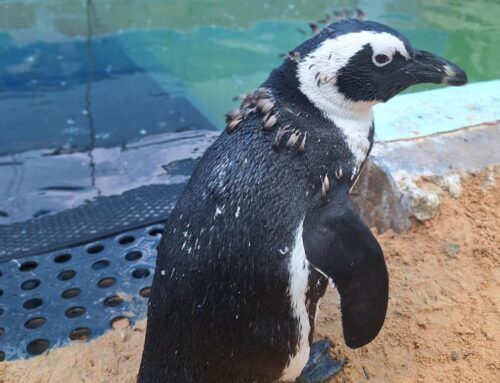
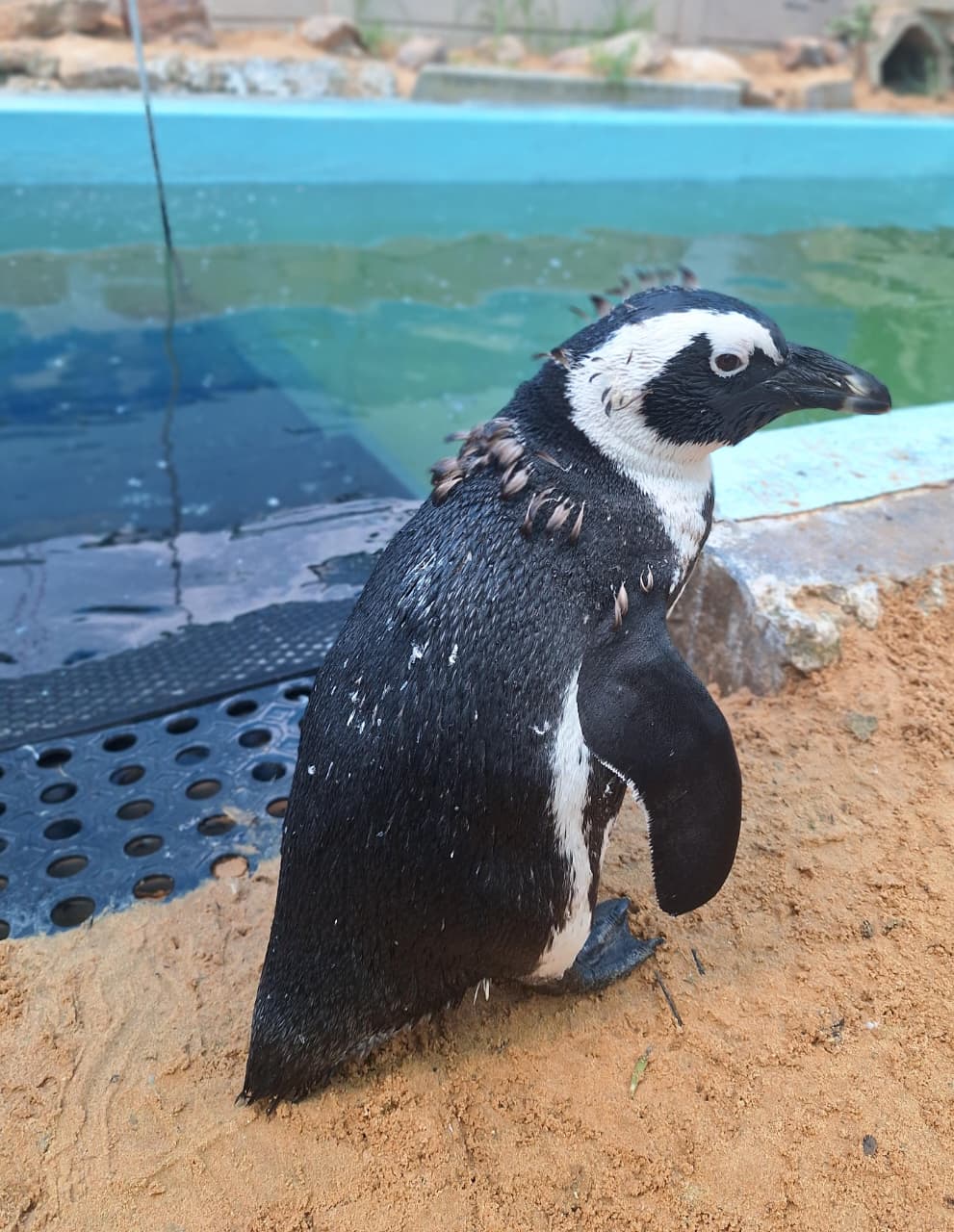
The proposed site for Bantamsklip is situated within a habitat that is unique not only to this continent but to the whole world’s ecosystems. The cold Benguela system on the Atlantic side meets the warm Agulhas Indian Ocean. There is no other area in the world where two such differing bodies of water mix as close to a coastline as here along Cape Agulhas. This marine environment is hosting unique species such as the Great White shark; the endangered African Penguin, abalone, various dolphin species (including the rare Humpback dolphin) an incredible array of seabirds and the Cape Fur seal. The Southern Right whale is also depending on this coastline every year from July to December when they come to mate and calve.
This site also lies within the important internationally recognized biodiversity hotspot, presently registered as a South African Natural Heritage Site.
 The Trust is convinced that the establishment of a Nuclear Power Station will create permanent changes in the present marine environment due to different impacts such as – an increase in water temperature, increase of sediment in the water column, chemical pollution, increased underwater noise level and potential intake of marine animals with the cooling water. The Trust questions the statement in the Marine Ecology Study from Eskom (refer page 7) quoting a study from Awad et al. which states that there is no rare or endangered marine species known from the location The study from Awad et al. only concerns the bottom living species and not all the species in the area. The Trust is highly concerned that our rare and endangered marine species that have not been considered will experience devastating impacts in relation to the NPS. DICT finds the current baseline data concerning this area and the ecosystem insufficient. In order to protect this area’s unique marine biodiversity, the Trust calls for for a revised Environmental Impact Assesment and further research and has made recommendations in this regard.
On the 30th of June The Trust submitted the document for the public hearing; Letter of concern associated with the establishment of a.jpg) Nuclear Power Station at Bantamsklipto ACER (Africa) Environmental Management Consultants for review by Eskom…click here to read. The Trust awaits the response from Eskom to the concerns raised.
Nuclear Power Station at Bantamsklipto ACER (Africa) Environmental Management Consultants for review by Eskom…click here to read. The Trust awaits the response from Eskom to the concerns raised.
UPDATE: 29 May 2011
Having attended public participation meetings, a real concern exists that Bantamsklip (believed to be the 3rd preferred site) is definitely earmarked for development.
The Trust has together with theSave Bantamsklip organizationand Richard Pierce ofShark Conservation Society (UK)initiated a petition. This petition is currently supported by many of the shark cage diving operators in Gansbaai who are able to bring this topic to the attention of our international clients. The goal is a minimum of 10 000 signatures by the end of November.
The response recently received from Arcus Gibb on behalf of Eskom show that the Trust has been instrumental in raising the profile of this incredible marine area by:
– highlighting Dyer Island as an Important Bird Area recognized by Birdlife International
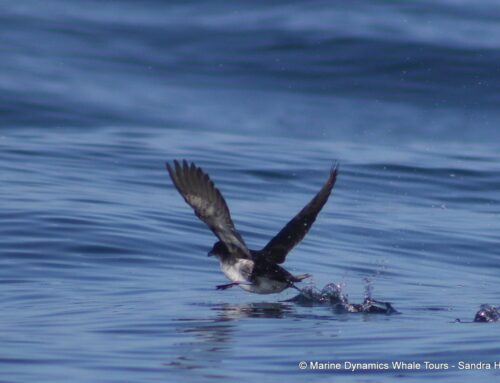
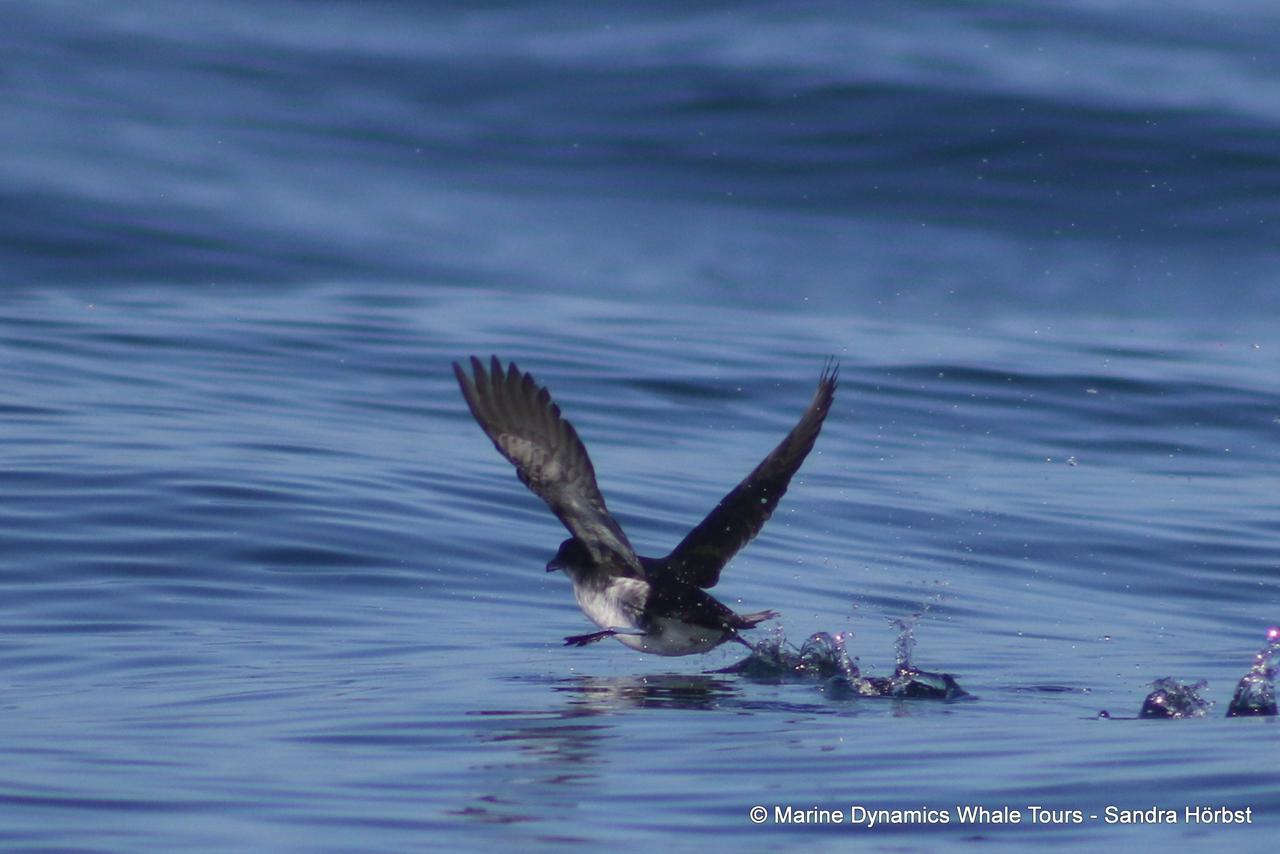
– noting the presence of the Leachs storm petrel
– noting the presence of the Indo-Pacific Humpback Dolphin (which had been left out of the Environmental Impact Assesment)
– highlighting other marine species not covered in the EIA
Most importantly, Dr Peter Best of the University of Pretoria, will in future be consulted regarding the species of this area and any possible monitoring programmes.
We do not feel all our questions were sufficiently answered and a second draft EIA has been done for which the deadline for comment is 7th August 2011.
To read the full responseclick here. Our original submission can beread here.
More information can be viewed atwww.savebantamsklip.org
Eskoms website:www.eskom.co.za/eiaunder the Nuclear 1-Generation link
Arcus GIBB website:http://projects.gibb.co.za/under the Nuclear 1 EIA link
If you interested in following the developments, you can register as an Interested and Affected Party
e-mail:[email protected]/[email protected]
The Trust will actively continue our research into our marine species so that we can better understand and protect them.