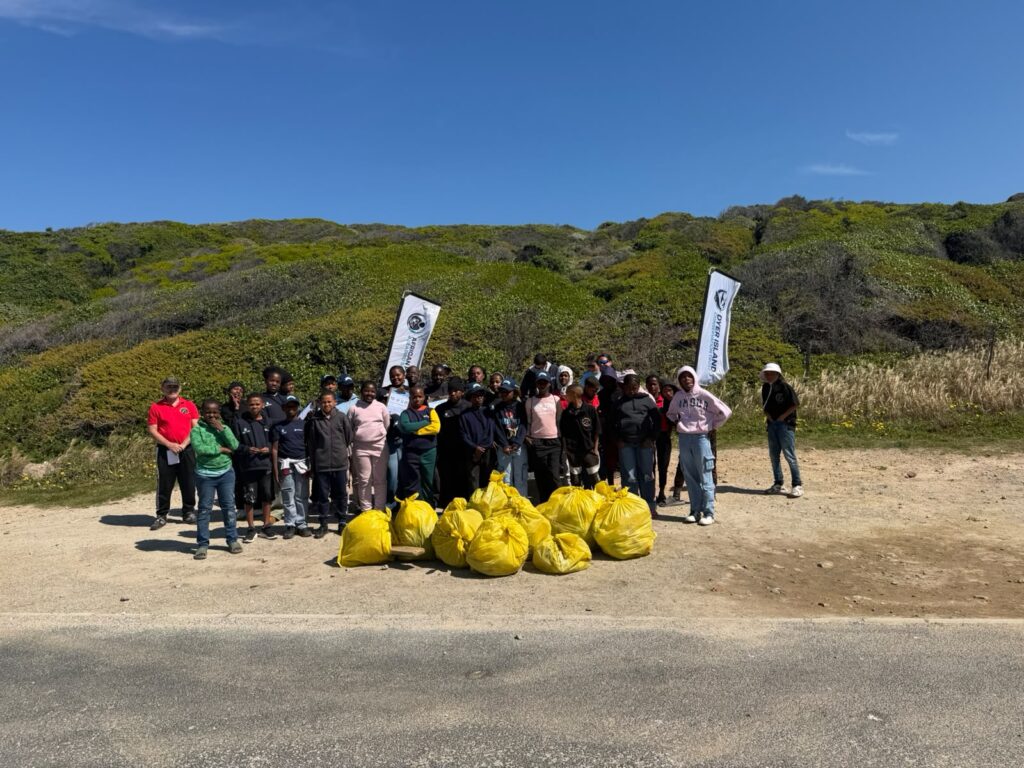
On 19 September 2026, the Dyer Island Conservation Trust joined communities, conservation partners and volunteers at Kruismansbaai, Danger Point, for this year’s International Coastal Clean-Up under the theme, “Building the Science for Africa’s Ocean – Every Piece Counts.”
What may look like just one piece of litter on the beach can tell us a much bigger story about what is happening in our ocean. Every bottle, piece of plastic, fishing line and fragment collected during a clean-up contributes to a better understanding of the waste entering our marine environment and the impact it can have on wildlife.
Together, 34 volunteers worked along the Kruismansbaai coastline and removed an incredible 53 kg of waste from the environment.
But this clean-up was about more than simply picking up litter.
Turning beach clean-up data into action
A key part of International Coastal Clean-Up is not only removing waste, but also recording and collecting data about what is found.
During the Kruismansbaai clean-up, volunteers carefully recorded the types and quantities of waste collected. This information will contribute to the broader marine litter dataset coordinated by the Sustainable Seas Trust.
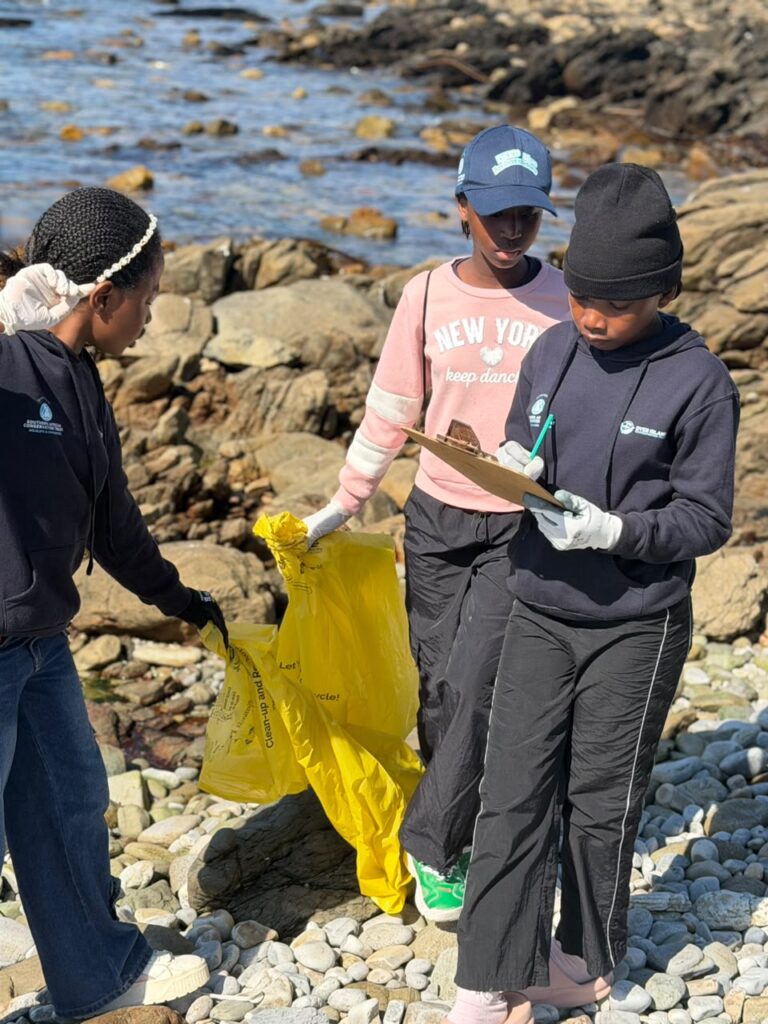
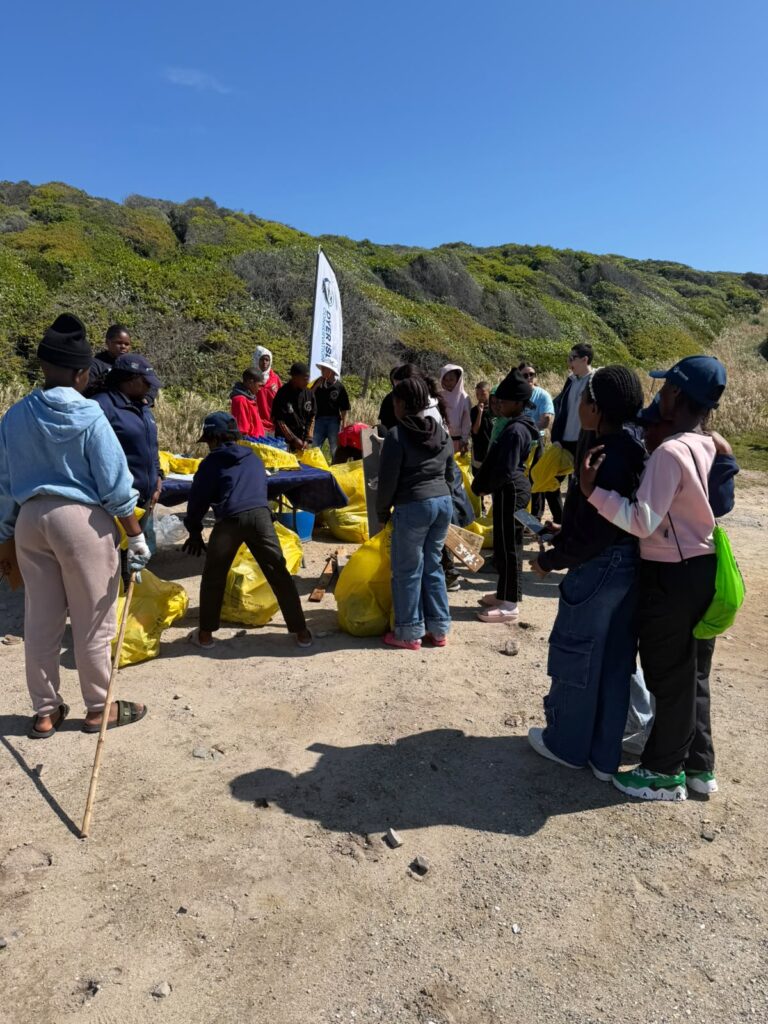
By documenting what is found along our coastline, this data helps Sustainable Seas Trust and its partners build a clearer picture of the marine litter problem in South Africa. Over time, information from different beaches and clean-ups can help identify trends, common sources of pollution and areas that require greater attention.
Most importantly, this information can help guide future conservation efforts and inform policy decisions. Reliable data gives decision-makers a stronger evidence base when developing strategies and policies aimed at reducing marine pollution and protecting our coastal and marine environments.
This is what makes the theme, “Building the Science for Africa’s Ocean – Every Piece Counts,” so meaningful. The small pieces collected by volunteers become part of a much bigger picture.
Focusing on the threat of ghost gear
One of the special focuses of this year’s clean-up was ghost gear, which refers to fishing equipment that has been lost, abandoned or discarded in the ocean.
Fishing line, ropes and other fishing gear can remain in the marine environment for long periods and pose a serious entanglement risk to seabirds, seals and other marine animals.
As part of our ongoing Fishing Line Recovery and Recycling Programme, we also emptied one of our fishing line recovery bins during the clean-up. The collected fishing line was weighed, and the resulting ghost gear weighed 1 kg.
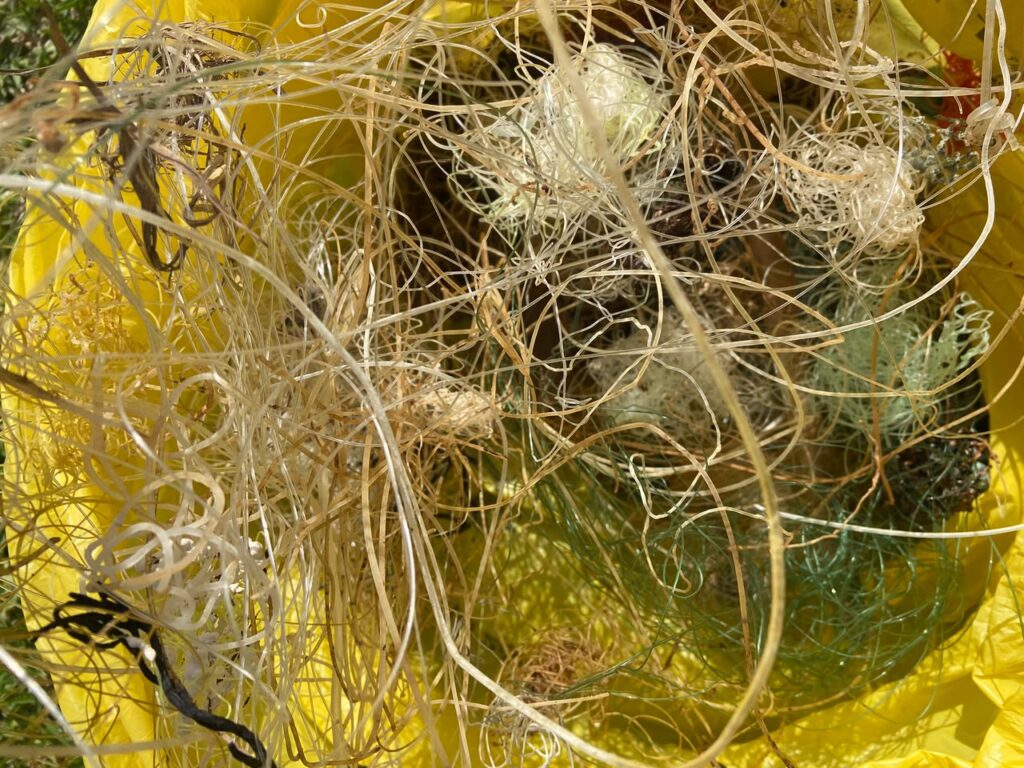
This work forms part of our collaboration with WESSA Green Coast’s #StopTheStrangle campaign, which raises awareness about the threat of marine wildlife entanglement and encourages communities to take action against ghost gear.
Seeing how much fishing line had accumulated in just one collection point was a powerful reminder that small actions can make a meaningful difference.
Every piece counts
The International Coastal Clean-Up is not only about making our beaches look cleaner. It is about understanding the problem so that we can work towards better solutions.
A single piece of fishing line might seem insignificant. One plastic wrapper might seem harmless. But when these pieces accumulate, the impact can become enormous.
By collecting, sorting, weighing and recording marine litter, volunteers are contributing to science and helping create information that can support better decision-making for our oceans.
For the Dyer Island Conservation Trust, this is also closely connected to our environmental education work. We want young people and the wider community to understand that they are not separate from the ocean. What happens on our streets, in our communities and along our beaches can eventually reach the marine environment.
Working together for a healthier coastline
The success of the Kruismansbaai clean-up was made possible through the people and organisations who gave their time, energy and support.
From volunteers walking the shoreline and recording data to partners supporting marine conservation initiatives, every contribution played a part.
International Coastal Clean-Up gives us an opportunity to come together, but the responsibility does not end when the bags are weighed and the beach is cleared.
We can all play a role by reducing single-use plastics, disposing of waste responsibly, returning fishing line to designated collection points and speaking up about the importance of protecting our coastline.
Our ocean is connected to all of us.
And if every person takes responsibility for just one piece, together we can make a much bigger difference.
Every piece collected. Every piece recorded. Every action counts.
Building the Science for Africa’s Ocean, one piece at a time.