An idea that started on Dyer Island is now helping provide homes for African penguins across South Africa and Namibia. And visitors to Gansbaai can become part of the story.
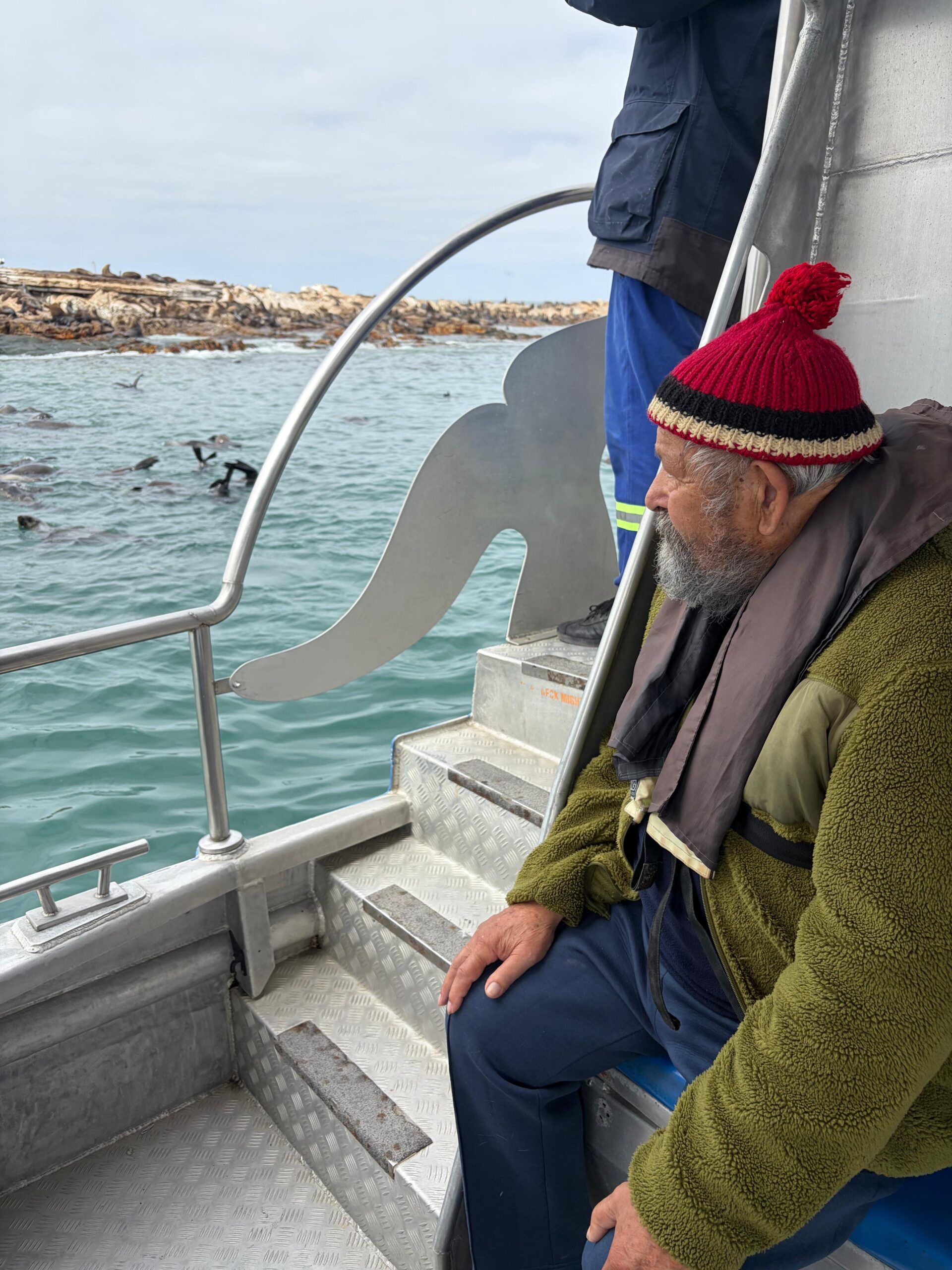
It started with a simple observation on Dyer Island. African penguins needed somewhere safe to raise their chicks.
Almost 20 years ago, Wilfred Chivell, founder of the Dyer Island Conservation Trust (DICT) and CEO of Marine Dynamics, recognised a growing problem facing the African penguin colony. Without suitable natural nesting habitat, many penguins were forced to lay their eggs in shallow depressions on the exposed island surface.
Historically, African penguins had burrowed into thick layers of guano, accumulated seabird droppings that provided natural insulation and protection. On Dyer Island, these deposits had once reached depths of four to six metres. However, the harvesting of guano for agricultural fertiliser had stripped the breeding islands of this valuable natural nesting material.
The consequences were significant. Eggs and chicks were left exposed to predators, particularly kelp gulls and seals, as well as extreme temperatures, heavy rain and winter storms.
Wilfred began experimenting with simple pipes and makeshift shelters on Dyer Island. He soon noticed how quickly the penguins took to these protected spaces. What began as a practical solution to a local problem developed into a much bigger conservation initiative.
Working alongside conservation authorities and scientists, the Trust began developing artificial nests that could recreate the protective conditions of natural burrows.
From Dyer Island to the world
Since its establishment in 2006, the African Penguin Artificial Nest Project has evolved considerably. Through years of research, testing and collaboration, the original designs have been refined into the carefully engineered nesting structures produced today.
The project is now an international collaboration involving conservation organisations, researchers and zoological institutions, including the Dallas Zoo and the Association of Zoos and Aquariums’ Saving Animals From Extinction (AZA SAFE) programme.
The nests are designed to provide more than just shelter. Their construction allows for ventilation and heat dissipation, helping to maintain a suitable internal environment for adult penguins, eggs and chicks.
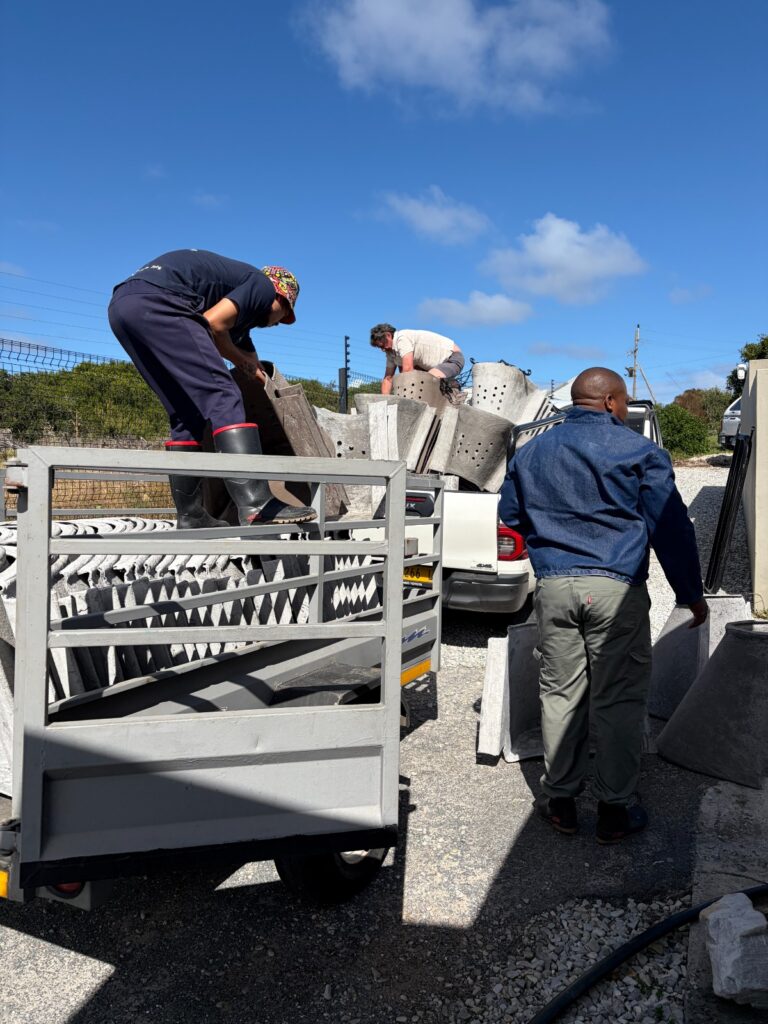
Penguin nests ready to go to African Penguin colonies.
There have been five generations of nest designs, with ongoing improvements to materials, durability and ventilation.
Made right here in Gansbaai
In mid-2024, the artificial nest production facility relocated from St Francis Bay to the African Penguin & Seabird Sanctuary (APSS) in Gansbaai.
Today, the nests are handmade right here at the Sanctuary by the dedicated nest construction team. Once completed, they are transported to penguin breeding colonies for installation.
Although the project began on Dyer Island, its reach now extends much further. Artificial nests produced through the project are supplied to colonies including Dyer Island, Stony Point, Bird Island, Boulders Beach, Robben Island and sites in Namibia.
Every nest represents another opportunity to provide a penguin family with a safer place to raise its young.
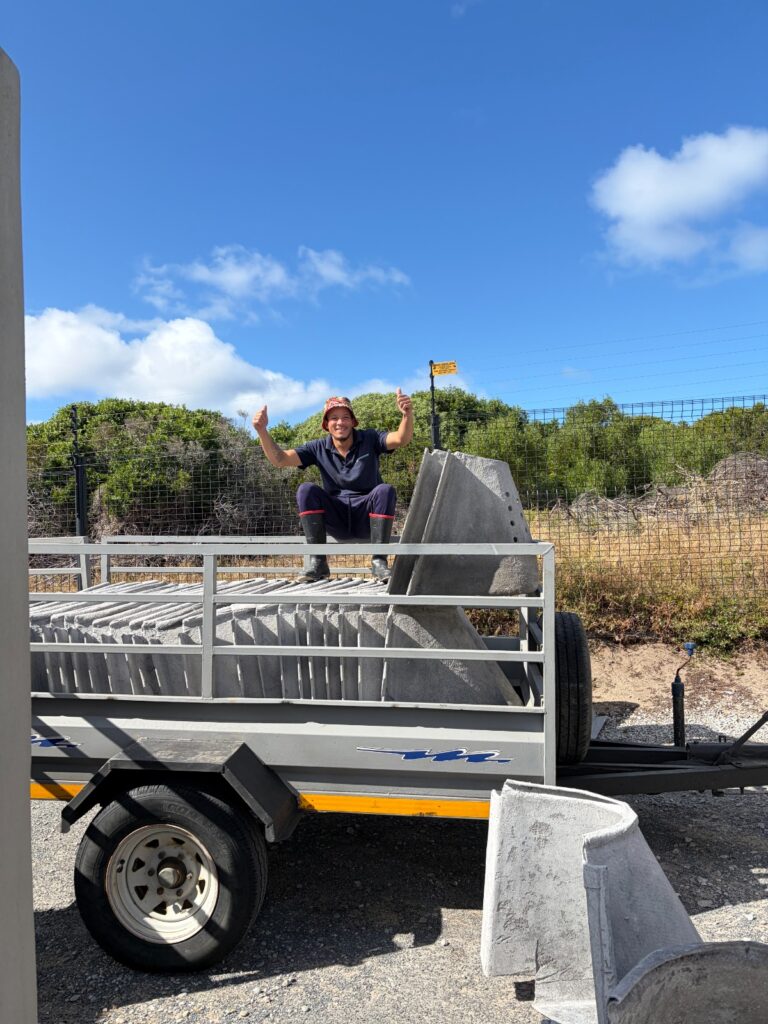
Penguin nests, ready to go to Namibia!
You can help build a home
Visitors to the African Penguin & Seabird Sanctuary can get a little closer to conservation by becoming involved in the nest-building initiative.
For a R500 sponsorship, you can contribute towards the production of an artificial penguin nest.
The African penguin is now Critically Endangered, and every conservation intervention matters. Providing suitable nesting habitat is one part of a much bigger effort to give these remarkable seabirds a future.
An idea that began with Wilfred Chivell trying to provide shelter for penguins on Dyer Island has grown into a project reaching colonies across two countries.
Make sure you visit the African Penguin and Seabird Sanctuary in Gansbaai, this festive season! Share the love and sponsor a penguin nest.
Christine Wessels