VOORTREKKER SCHOOL SUPPORT THE ENDANGERED AFRICAN PENGUIN
October 10, 2010 by dyertrust
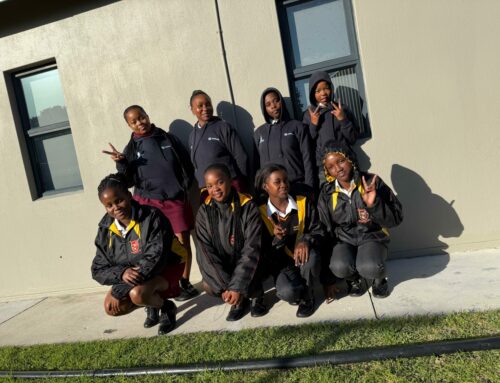
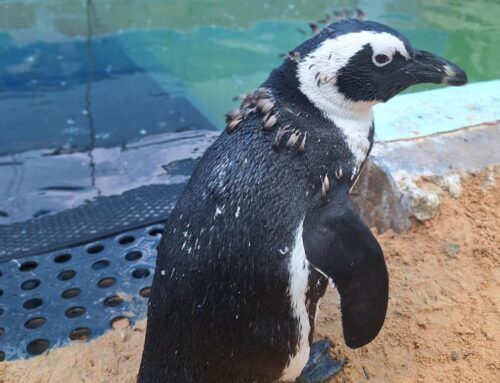
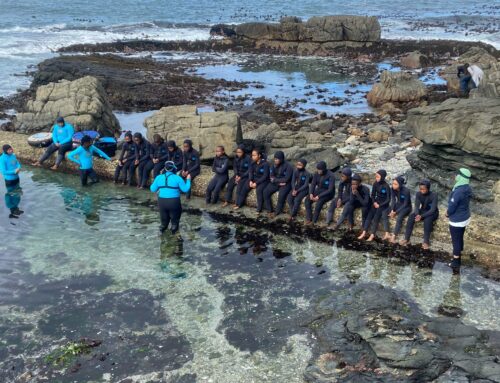
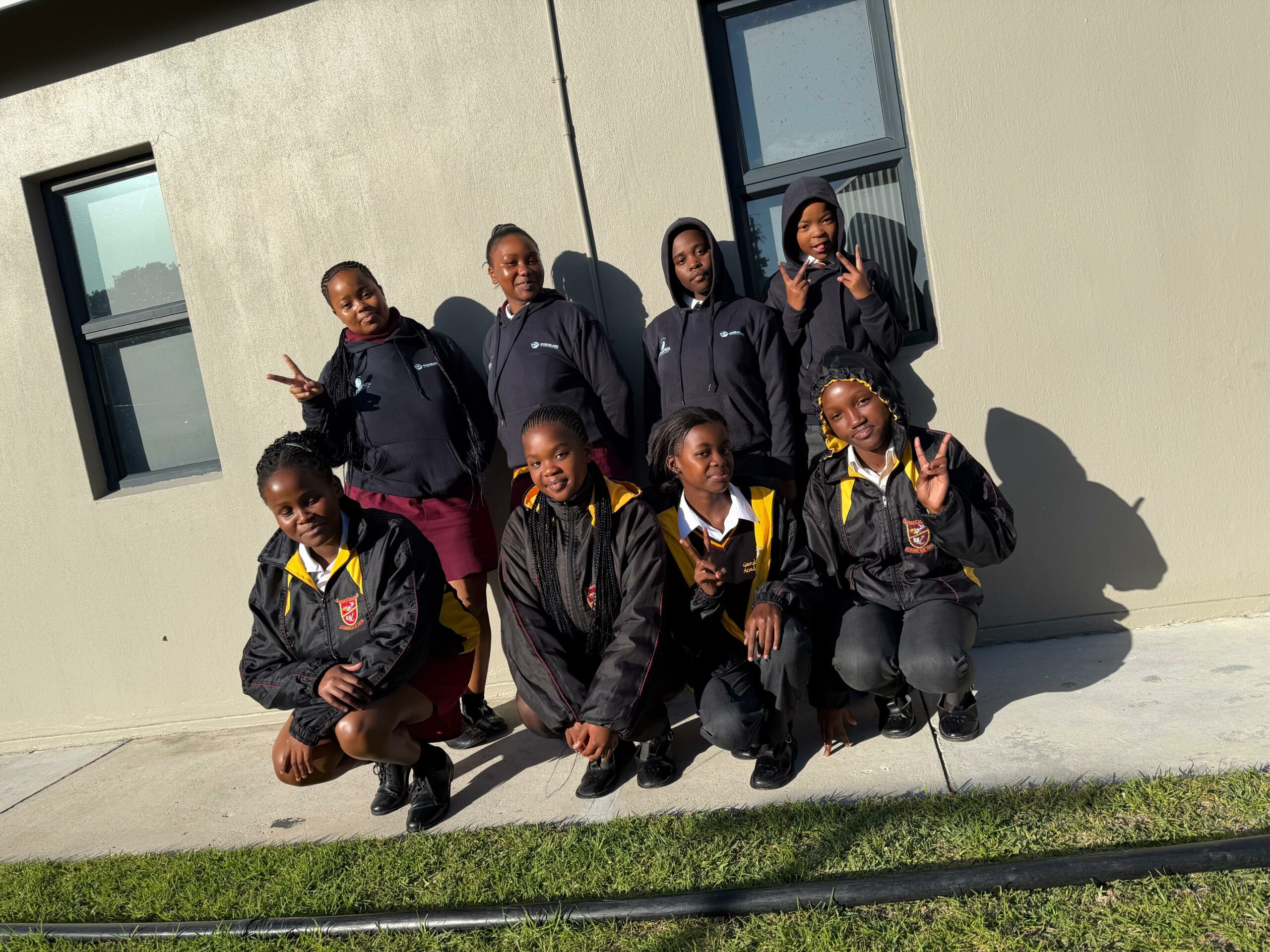
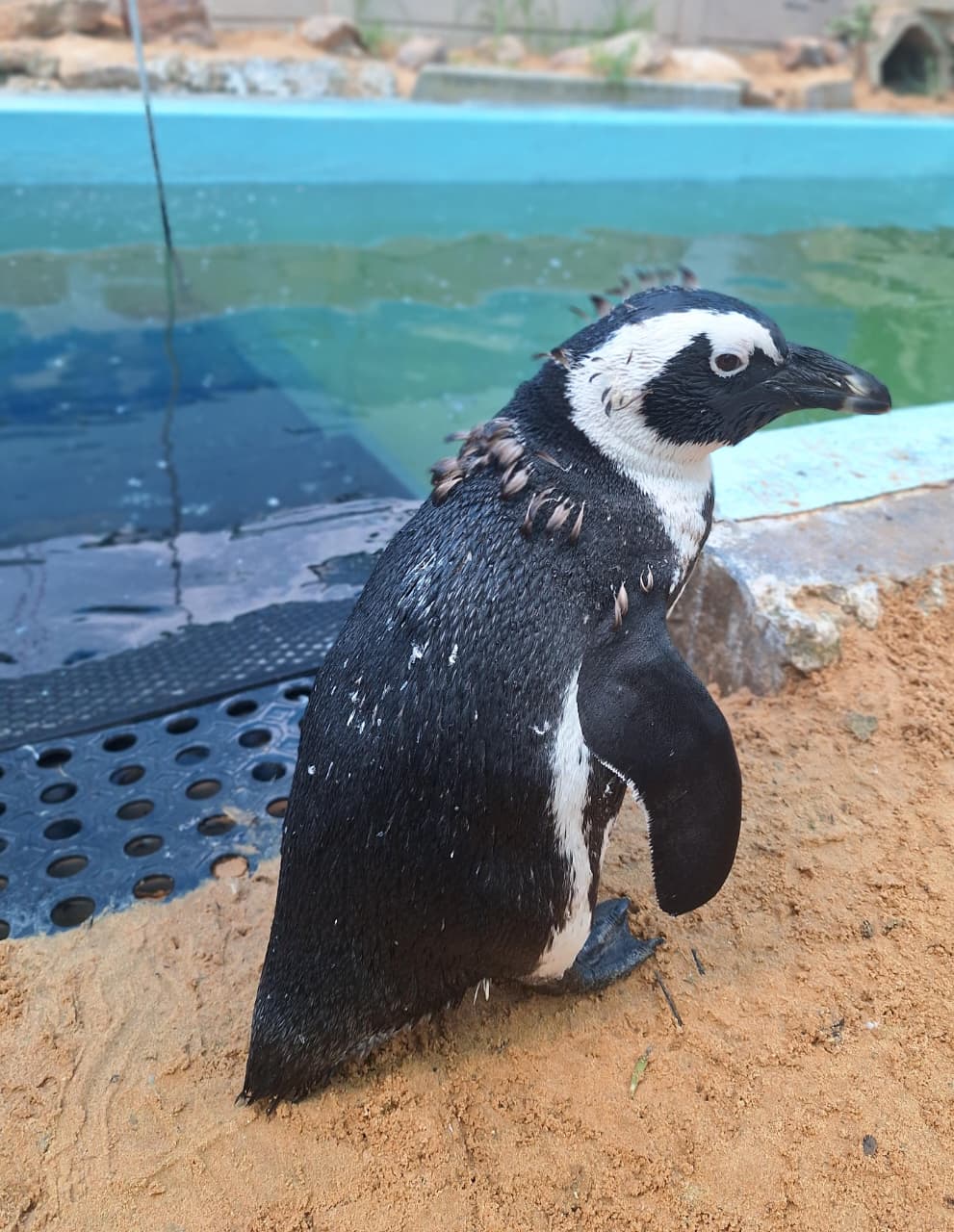
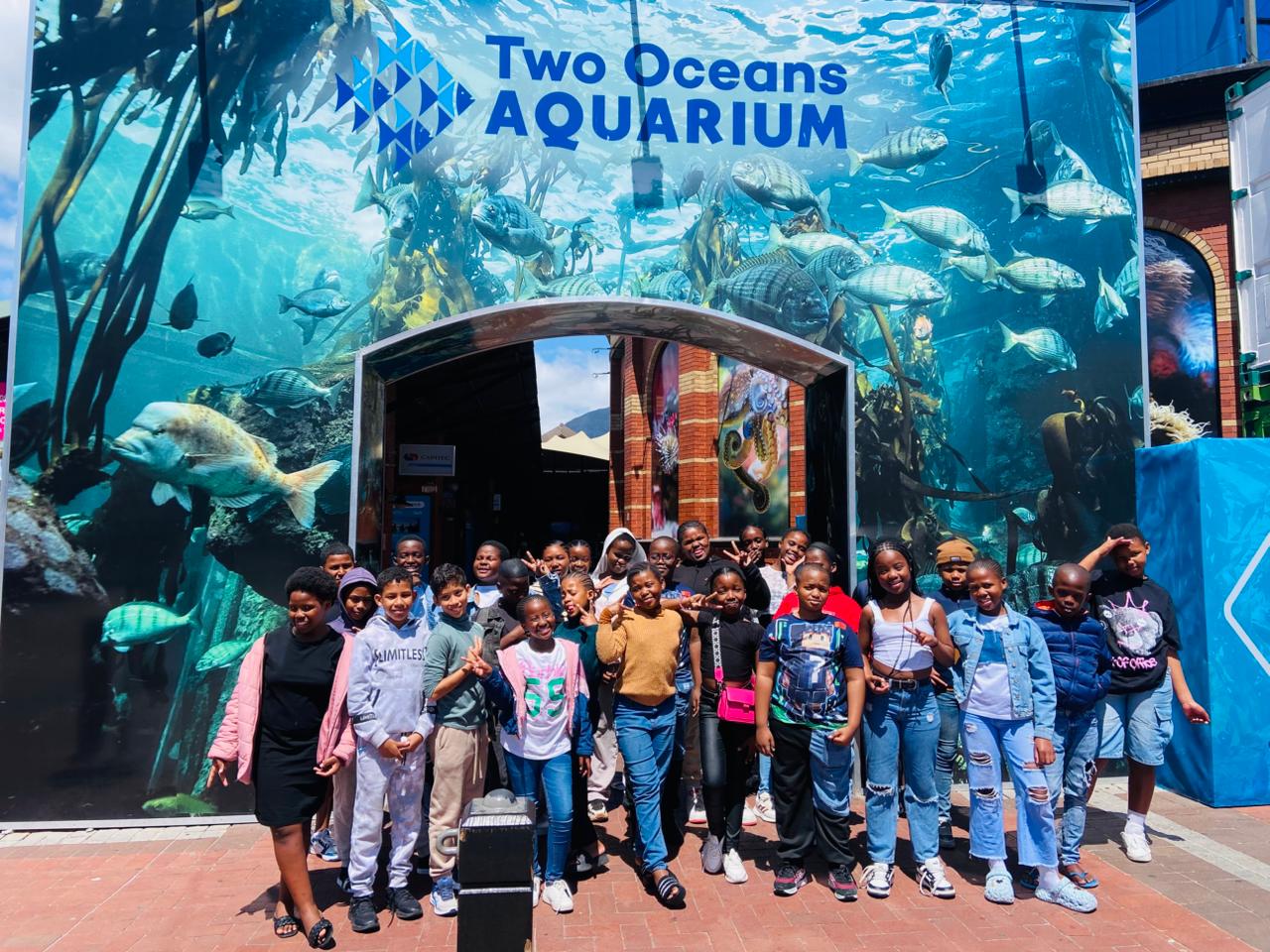
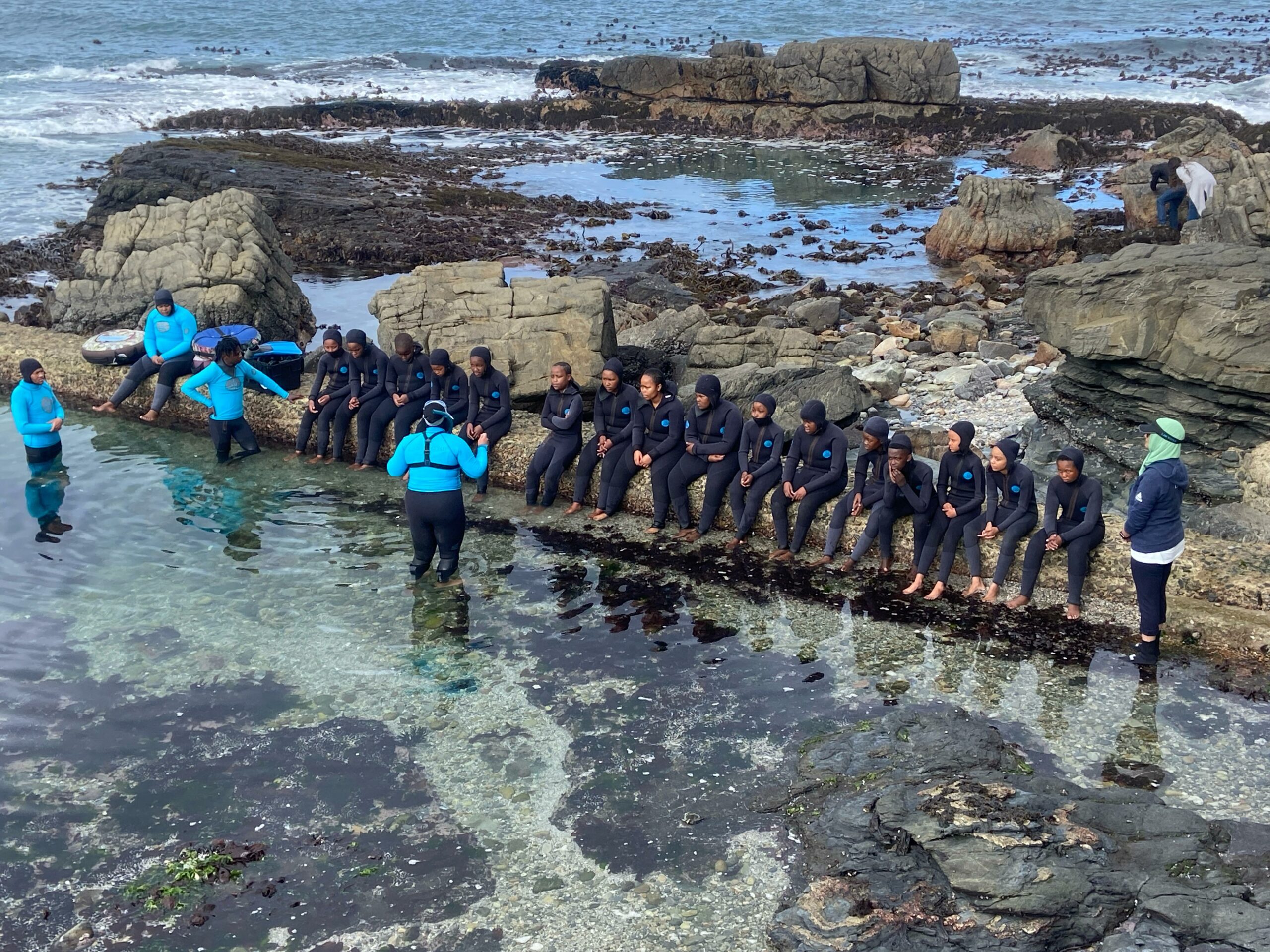
 Every year, the Voortrekkers Grade 7s enjoy an educational time at the African penguin colony at Stony Point (Bettys Bay). Led by educator Danna Smith and her team, the children get to learn all they can about this endangered species.
They also support the Dyer Island Conservation Trust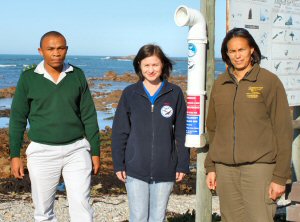 The Dyer Island Conservation Trust (DICT) in association with Overstrand Municipality, Gansbaai Administration, is very excited to be establishing the Fishing Line Recovery and Recycling Program (FLRRP) along the Gansbaai shoreline, with specially designed disposal bins.
This innovative project aims to reduce the severe environmental damage caused by discarded fishing line on our coastline. Monofilament fishing line is non-biodegradable and can last for up to 600 years in the marine environment where it entangles wildlife, is mistakenly ingested by birds and animals, resulting in injury or death, and is also hazardous to boaters and swimmers.
By increasing public awareness about the negative impacts that fishing line debris has on marine life, water quality, and human welfare, we hope to reduce the amount of fishing line entering and remaining in the marine environment, as well as to increase the amount of fishing line being recycled.
A network of fishing line recycling bins has been placed by the municipality at local beaches and popular fishing spots in Gansbaai, namely: Kleinbaai, Franskraal, Gansbaai harbour and Romansbaai.
Anglers will be encouraged to recycle or dispose of their used fishing line at these bins. The Trust holds regular beach clean-ups with local schools and the community creating further opportunity for education.
 The Trust would like to see this project go further afield and is grateful for the support shown by the Overstrand Municipality.
Please contact Brenda Walters at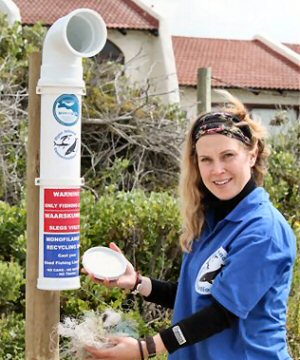 Dyer Island Conservation Trust recently joined forces with Overstrand Municipality Gansbaai Administration in placing unique fishing line disposal bins.
Biologist Katja Vinding Petersen and I headed out on International Coastal Clean Up Day to visit the local angling shops and boat clubs to spread the word. The response has been overwhelmingly positive and the community very supportive of the project. We drove past the bins at Franskraal and Gansbaai harbour and were very pleased to see they are being used. Not only can fishermen use them but those members of the public who are passionate about cleaning up their beach areas.
The Trust believes it is up to us to start a campaign such as this in our area. It forms a great preventative measure and an excellent educational tool as we work with local school children in the area. The vision is to see this used along our entire coastline and the issue of marine pollution brought to the fore.
You can support this project by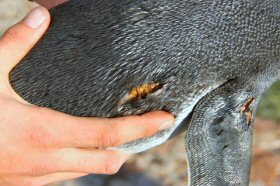 The Trust serves as the animal rescue centre in the area and works in close partnership with SANCCOBthe centre for coastal bird rehabilitation in Cape Town; Two Oceans Aquarium; and Penguins Eastern Cape.
The Trust is grateful for all donations toward the African Penguin nesting project which also contributes to rescues and research.
Endangered status
The African Penguin has been moved to the Endangered list since May through its rapid declinea decline of almost 100 birds a week over the last 30 years. There are now fewer than 26,000 breeding pairs of African Penguins on the islands and coastal colonies around the coast of Southern Africa.