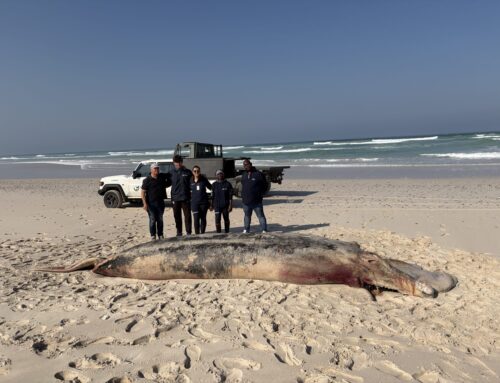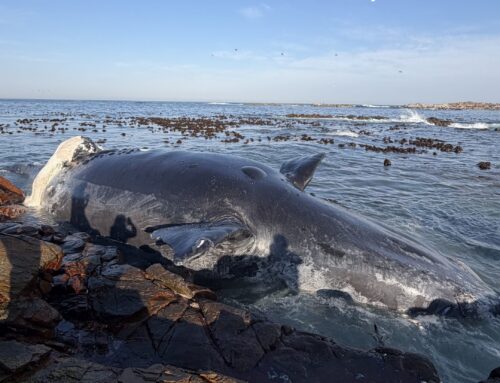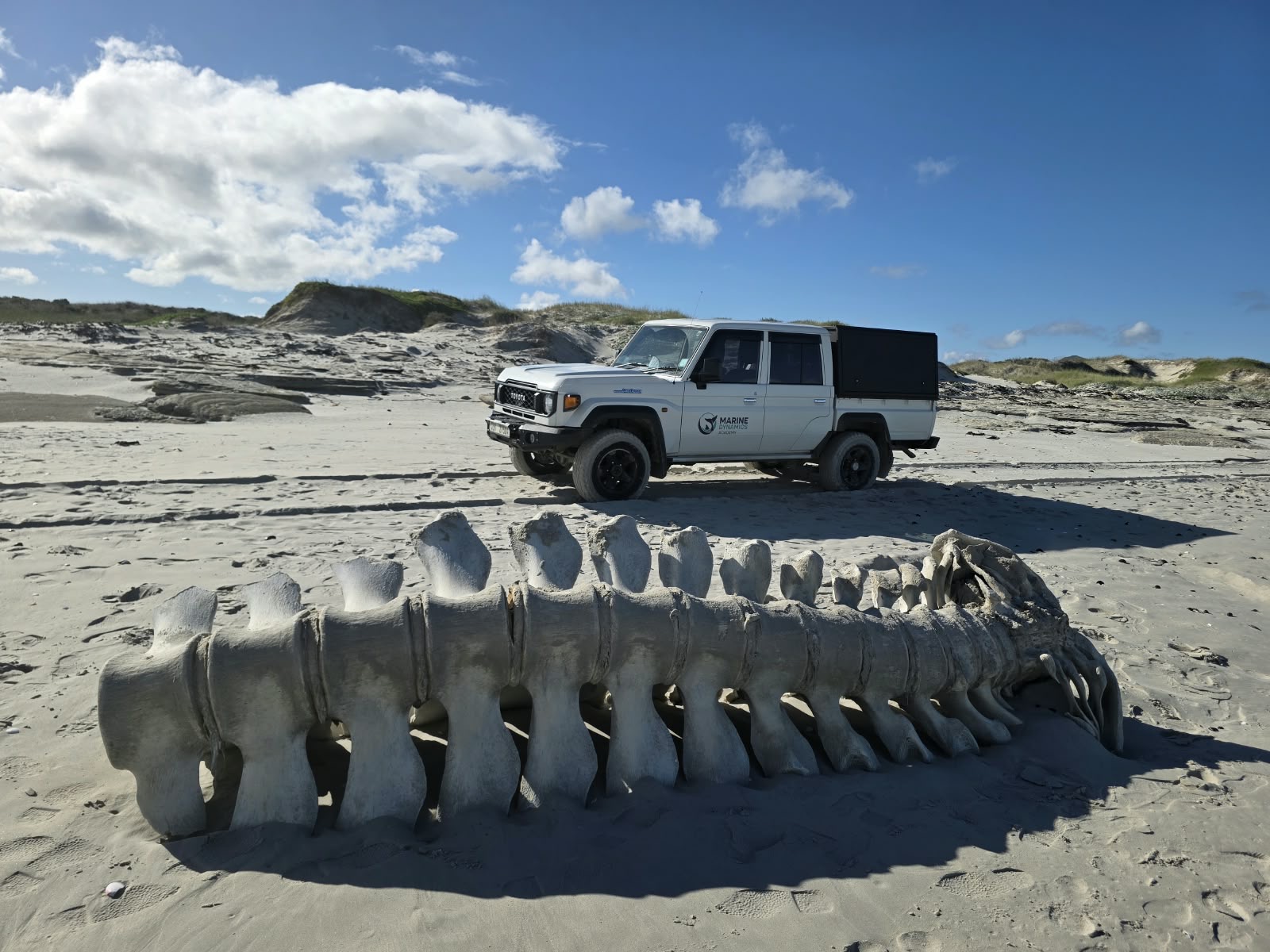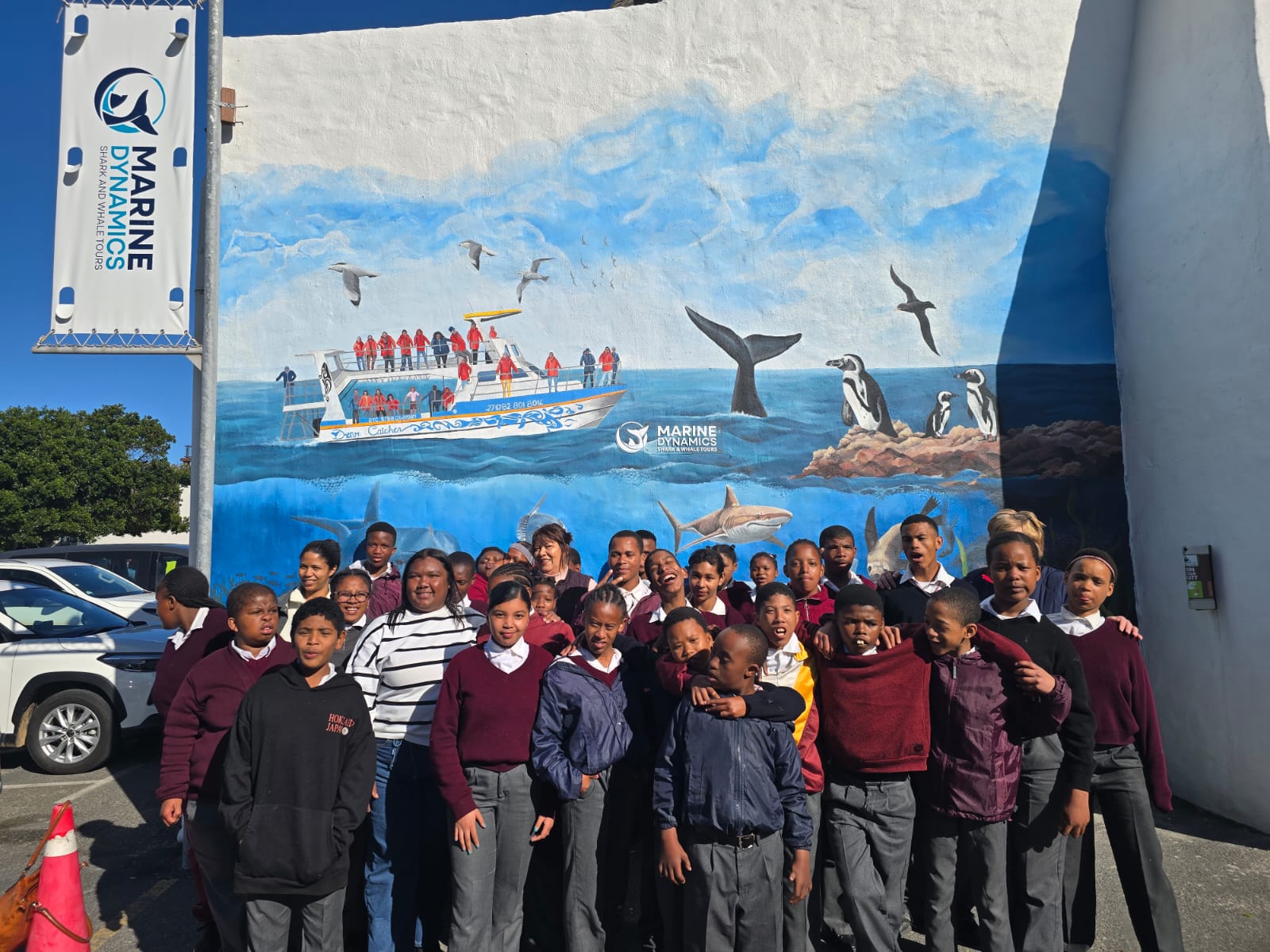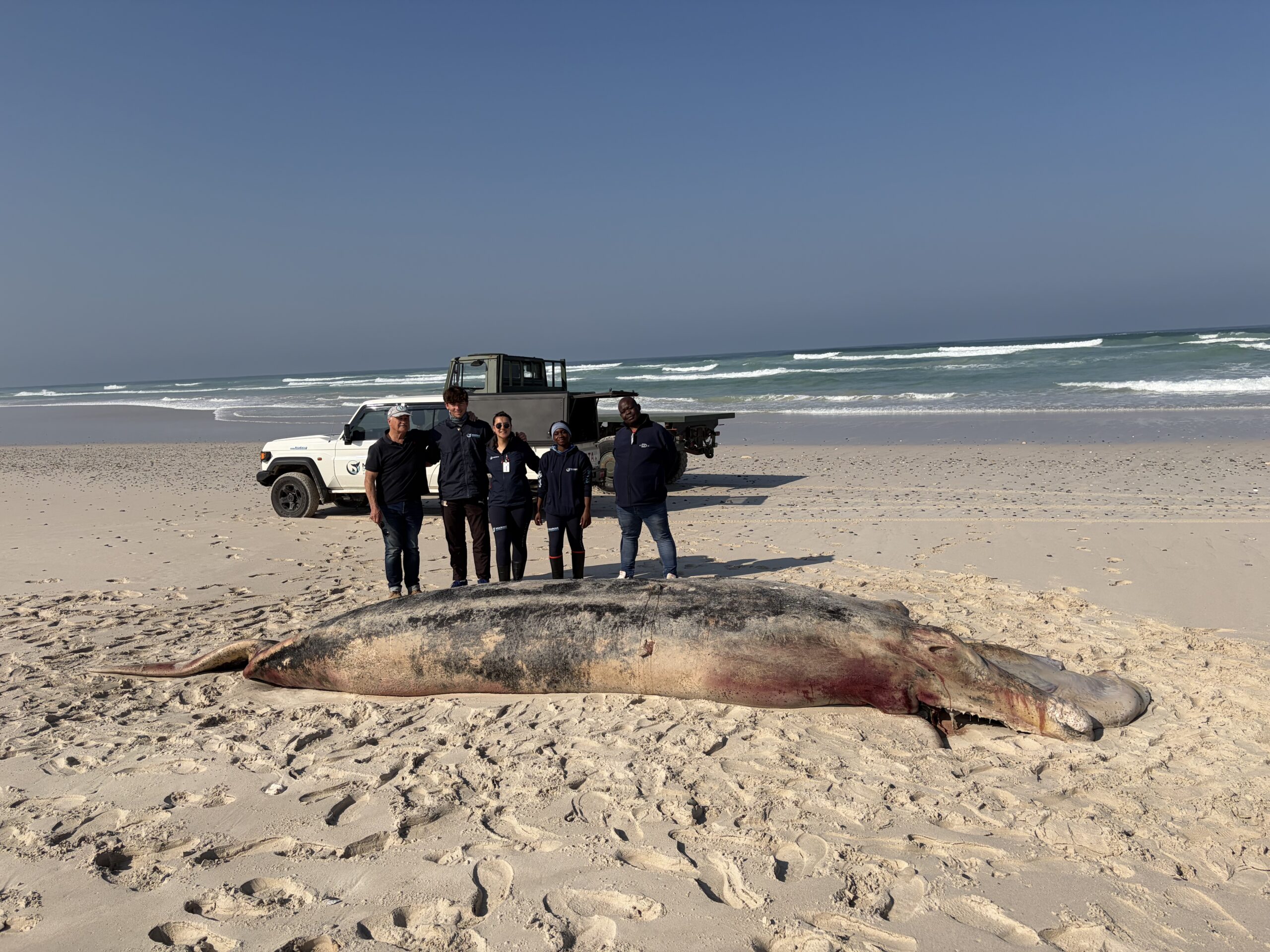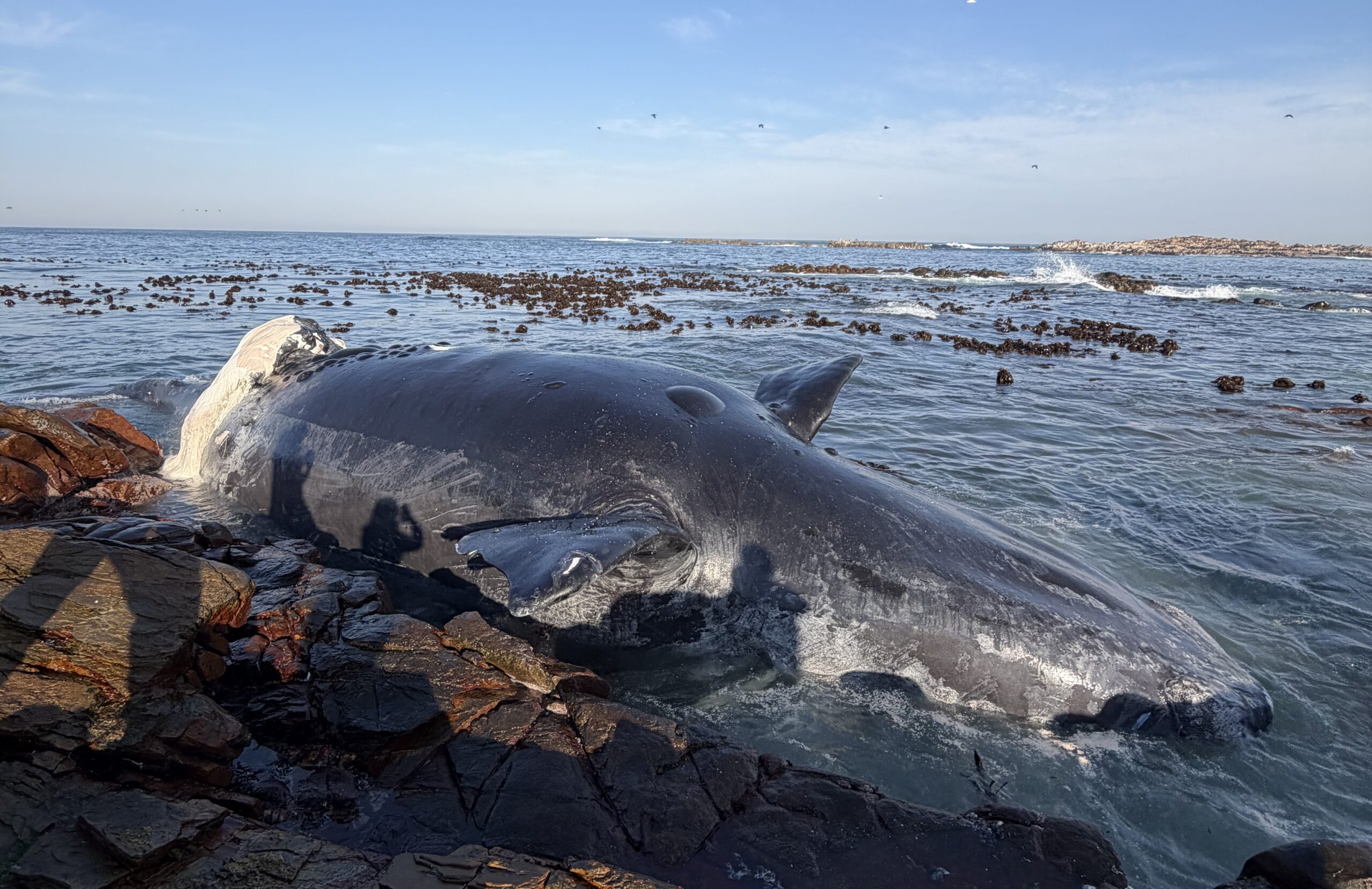
Earlier this year, two bronze whaler sharks (Carcharhinus brachyurus) were found washed ashore in Struisbaai, with clear signs of orca predation, lying only a few metres apart. As shark strandings are relatively uncommon and provide a valuable opportunity for research, the carcasses were recovered by Dickie Chivell, volunteer coordinator Ilizna du Plessis, and Marine Dynamics Academy volunteers before being placed into freezer storage. A necropsy for both sharks was completed on 19 June 2026 by shark biologist Amy Webber and Dr. Loraine Shuttleworth, assisted by Marine Dynamics Academy interns, volunteers and Discover Eden Ecology students.
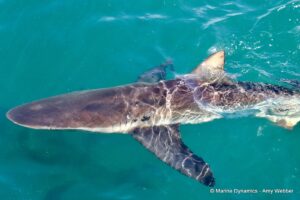
The Bronze whaler shark, also known as the copper shark, is a large coastal shark found in temperate and subtropical waters around much of the world, particularly along continental shelves. Although its global distribution is patchy, it is commonly found in temperate coastal waters where conditions are suitable. Bronze whalers can reach lengths of approximately 3.3 m and are highly opportunistic predators, feeding on a wide variety of fish, cephalopods, rays, and even smaller sharks, earning them the nickname “cocktail shark.” In South African waters, they are strongly associated with the annual sardine run, where the dense schools of migrating sardines provide an abundant seasonal food source. Rather than laying eggs, these sharks are viviparous and give birth to live young after a gestation period of around 12 months. Females typically do not reach sexual maturity until around 20 years of age, making it harder for the species to recover from threats such as fishing pressure.
Before the internal examination, a series of standard measurements were taken, including total length, body dimensions, and tooth counts. The two sharks presented as mature females, measuring 2.52m and 2.69m. Fin, skin, and muscle samples were collected for future laboratory analysis, and a detached section of jaw containing multiple rows of teeth was retained for closer examination. Like all sharks, bronze whalers continuously replace their teeth throughout their lives, with new teeth developing behind the functional row and moving forward as older teeth are lost.
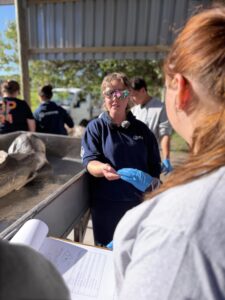
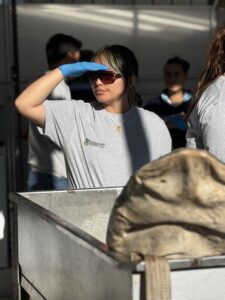
During the external examination, no signs of parasites were found on either shark. Both individuals had bite wounds on their ventral side, multiple rake marks, and one specimen had a severely damaged pectoral fin. These injuries are characteristic of orca predation. Internal examination further supported this, as both sharks were missing their livers and hearts. These organs are rich in fats and nutrients, making them a valuable energy source for orcas. Around the time of these strandings, the well-known orca pair Port and Starboard had also been sighted in the area, further supporting the conclusion that these sharks were victims of orca predation.
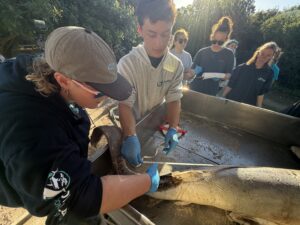
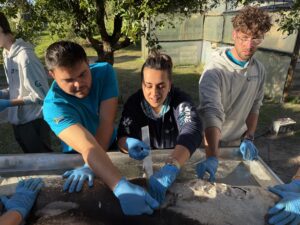
These strandings not only provide valuable information about bronze whaler sharks, but also about the remarkable hunting behaviour of orcas. The injuries observed during the necropsy add to a growing body of evidence documenting specialised shark predation by orcas in South African waters. As the bronze whaler shark is listed as Vulnerable on the IUCN Red List, every reported stranding is an important opportunity to improve our understanding of both the species and the predator-prey interactions that shape our ecosystems.
For any strandings in the wider Overstrand area, please contact the Dyer Island Conservation Trust or Marine Dynamics (+27 (0) 82 907 5607).
Resources:
https://saveourseas.com/worldofsharks/species/bronze-whaler-shark
https://www.fish.gov.au/report/303-Bronze-Whaler-2023
https://www.floridamuseum.ufl.edu/discover-fish/species-profiles/bronze-whaler-shark/
https://esajournals.onlinelibrary.wiley.com/doi/10.1002/ecy.3875