“For 21 years, it’s been incredible to see the same hump cutting through the waves,” says Wilfred Chivell, CEO of Marine Dynamics and Founder of the Dyer Island Conservation Trust. “Each humpback dolphin we encounter is not just a fleeting glimpse of the wild; it is an individual with a story, a life, and a place in our coastal ecosystem — and how beautiful that they call this area home!”
The Indian Ocean humpback dolphin (Sousa plumbea) is Endangered, with fewer than 500 individuals along South Africa’s coastline. These medium-sized dolphins inhabit shallow, nearshore waters, usually in small groups. Their distinctive humps, unique dorsal fins, or individual behaviours make them identifiable — and often earn them their names, like Fingers and Claw.
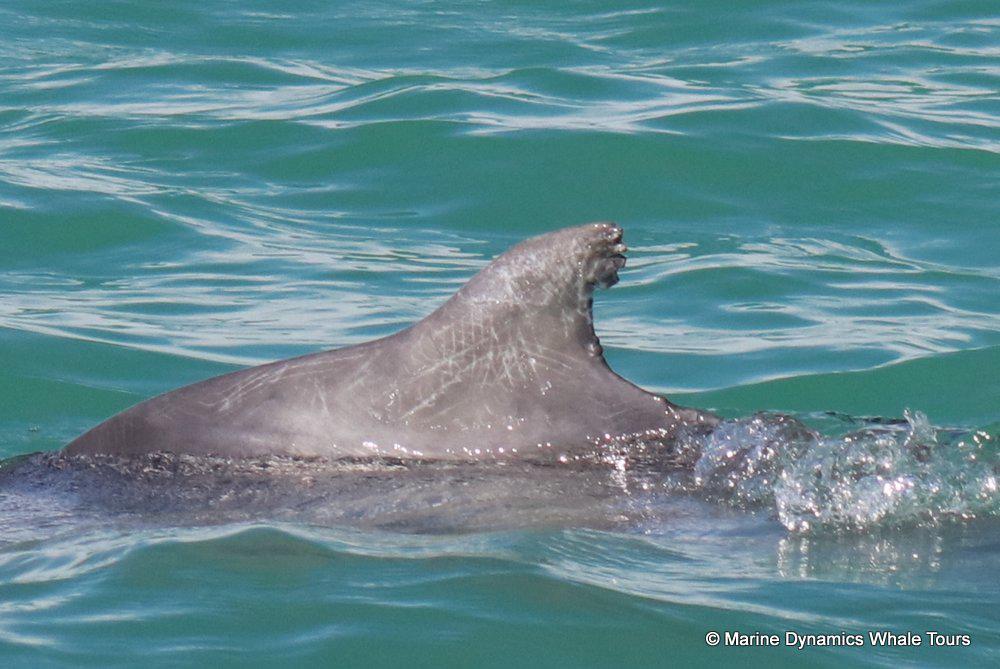
Fingers and Claw have been observed in the Uilkraalsmond area, for two decades. Claw, a female, has had several calves over the past ten years, contributing to this small but vital population. They have been seen swimming with southern right whales and playing with Cape fur seals!
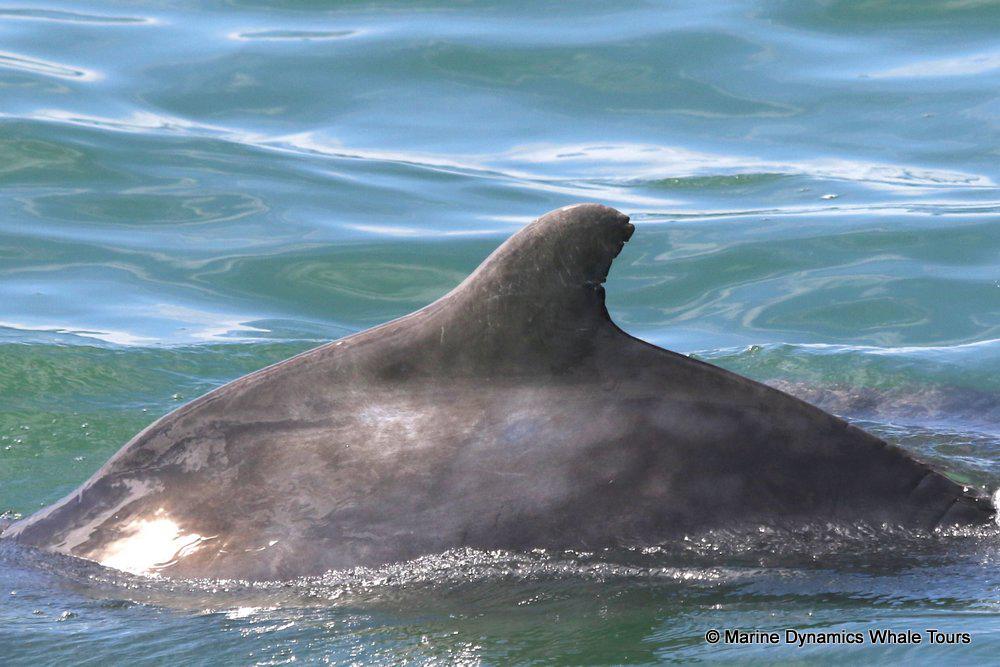
But unfortunately, life for these beautiful creatures is not all “plain sailing”…
The Uilkraalsmond estuary, where these dolphins are most often seen, is seasonally open and provides a natural haven in an increasingly impacted environment. Humpback dolphins face many threats, from pollution and entanglement in fishing gear to archaic bather safety nets. Because these dolphins live in areas of high human activity, they are particularly vulnerable to entanglement and are severely affected by pollution flowing down rivers and into the ocean — directly into their habitat. Ongoing research and monitoring are critical to their survival.
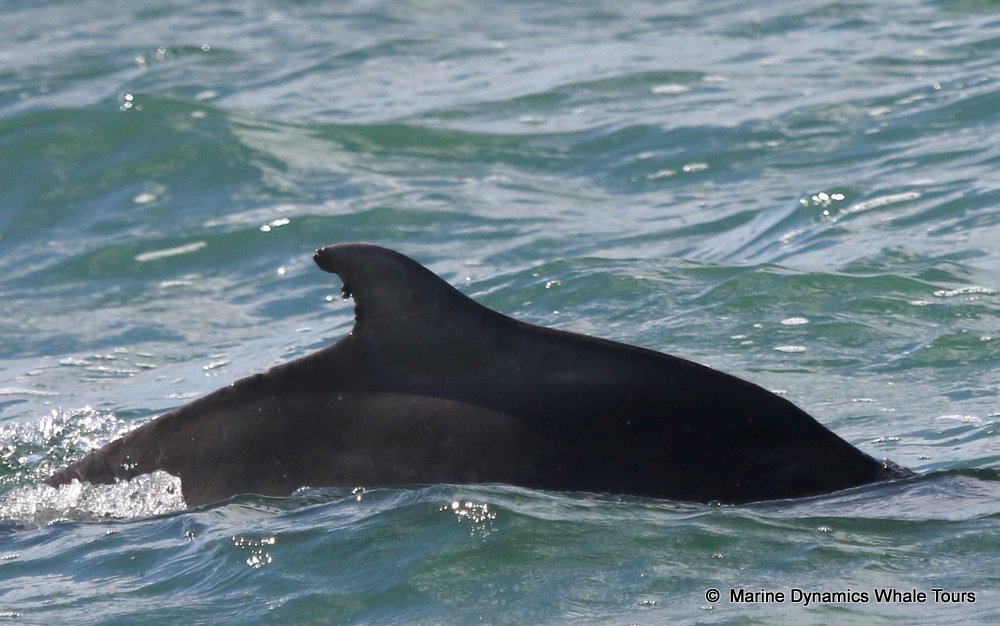
Alongside Fingers and Claw, other regular visitors include Captain Hook, Number 25, Show Off, Calypso, and Stumpy — each named for a fin, a behaviour, or a personality trait — and have been seen regularly since 2014. “Our newest baby face, recently spotted, will soon be added to the catalogue, with a naming ceremony to follow,” says whale and dolphin biologist and guide, Sandra Hörbst. You can add your name ideas by simply following the Marine Dynamics Shark and Whale Tours on Facebook. https://www.facebook.com/WhaleWatchSA.
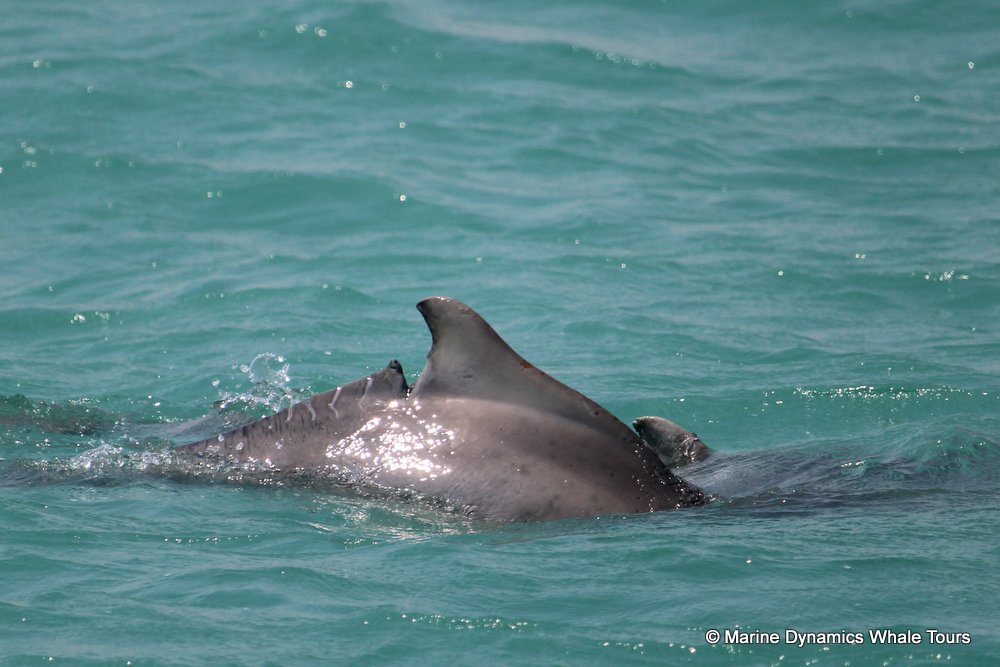
Fingers and Claw remind us why this work matters. They are not just data points; they are ambassadors for a species under pressure, symbols of resilience, and a source of joy for everyone who witnesses them. Each sighting is a celebration — a reminder of the richness of life along our shores and a call to protect the marine environments these incredible animals, and future generations, depend upon.
Book your Marine Big 5 Tour at www.marinedynamics.co.za
Christine Wessels – [email protected]